Bangkok is Thailand's capital and the country's main gateway, a metropolis of more than ten million people built along a bend of the Chao Phraya River. It rewards visitors who treat it as several different cities stitched together: a royal and temple district on the old island of Rattanakosin, a Chinese and Indian trading quarter, a glass-tower business core, and quiet canal neighbourhoods across the river. This hub explains how those pieces fit together and links to the detailed AsiaRoamer guides for each decision you will need to make.
Bangkok at a glance
The city is spread out, and traffic can be heavy, so the biggest planning decision is where you base yourself. Elevated BTS Skytrain lines and the MRT subway are fast and air-conditioned, and the Chao Phraya River is the quickest way to reach the old town. Most first-time visitors spend three days in the city and then move on to beaches, islands or the north.
If you only have a short stop, start with the 3-day Bangkok plan, which groups sights by area to avoid cross-town backtracking.
Highlights by area
| Area | Known for | Typical visit |
|---|---|---|
| Rattanakosin (Old City) | Grand Palace, Wat Phra Kaew, Wat Pho, riverside piers | Half to full day |
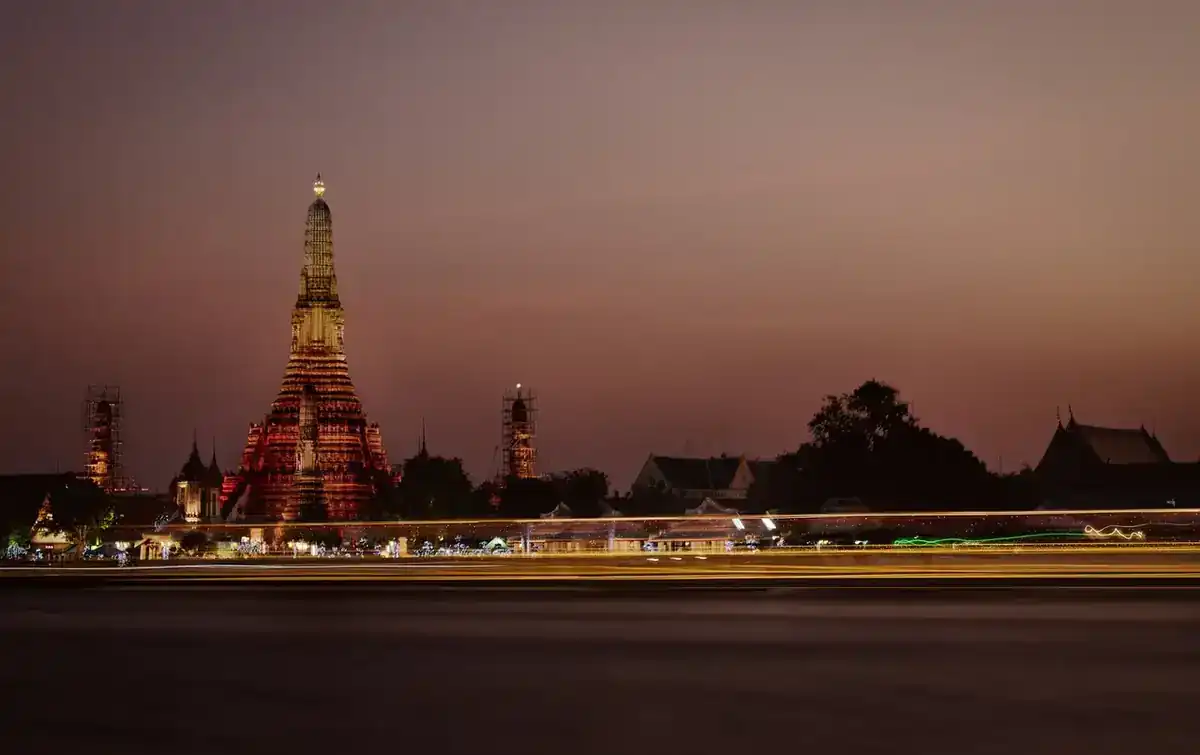
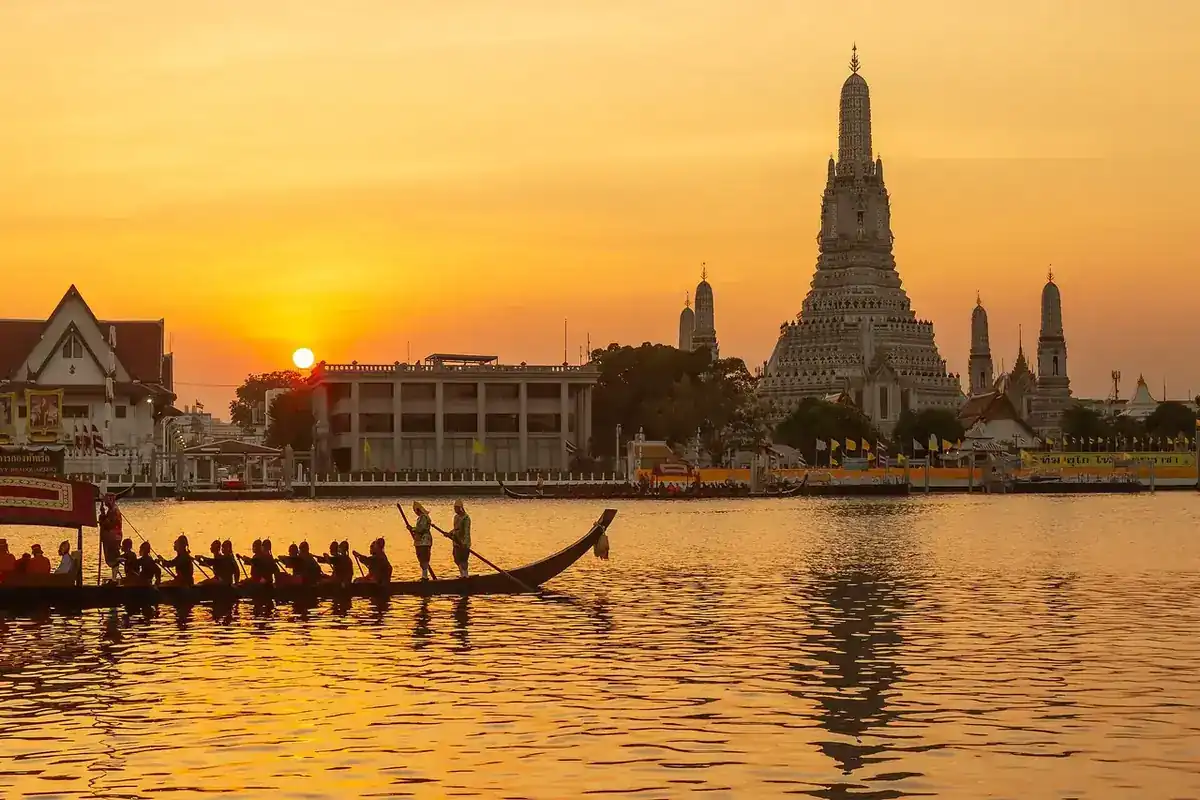
| Wat Arun and Thonburi | Wat Arun, canal (khlong) neighbourhoods, quieter river life | 2-3 hours |
| Chinatown (Yaowarat) | Temples, gold shops, street food after dark | Evening |
| Siam and Ratchaprasong | Shopping malls, Jim Thompson House nearby, BTS interchange | Half day |
| Sukhumvit | Restaurants, bars, hotels, markets, easy BTS access | Evening or base |
| Silom and Sathorn | Business district, Lumphini Park, rooftop bars, Patpong night market | Afternoon-evening |
| Chatuchak and Ari | Weekend market, cafes, local neighbourhoods | Weekend morning |
Opening hours and ticket prices change, so confirm them on the official site of each attraction before you go. The Bangkok attraction tickets guide explains what the major sights charge and how to avoid queues.
How to get there
Most international visitors land at Suvarnabhumi Airport (BKK), about 30 km east of the centre. Don Mueang (DMK), in the north, handles many low-cost and domestic flights. Both connect to the city by rail, bus, taxi and ride-hailing apps; journey time varies from about 30 minutes to well over an hour depending on traffic. Our airport to city guide compares each option with approximate costs.
If you are already in Thailand, Bangkok is linked by train, long-distance bus, domestic flights and minivans to almost every region. See the intercity transport guide for stations, terminals and booking marketplaces.
Before you fly, check the current entry rules and the Thailand Digital Arrival Card (TDAC) on the entry requirements page.
Best time to visit
Bangkok is hot all year. Roughly November to February is the most comfortable stretch, with lower humidity and cooler mornings. March to May is the hottest period, and June to October is the rainy season, with short, heavy downpours that can flood some streets. Major events such as Songkran (mid-April) and Loy Krathong (usually in November) change the feel of the city. Dates and details are in the best time to visit Bangkok guide.
Where to stay
Choose your base by transport access rather than by distance to a single sight.
- Sukhumvit (Nana to Thong Lo): dense with restaurants and BTS stations; a good all-round first-timer choice.
- Siam and Ratchathewi: central, with BTS access and a straight run to the airport rail link at Phaya Thai.
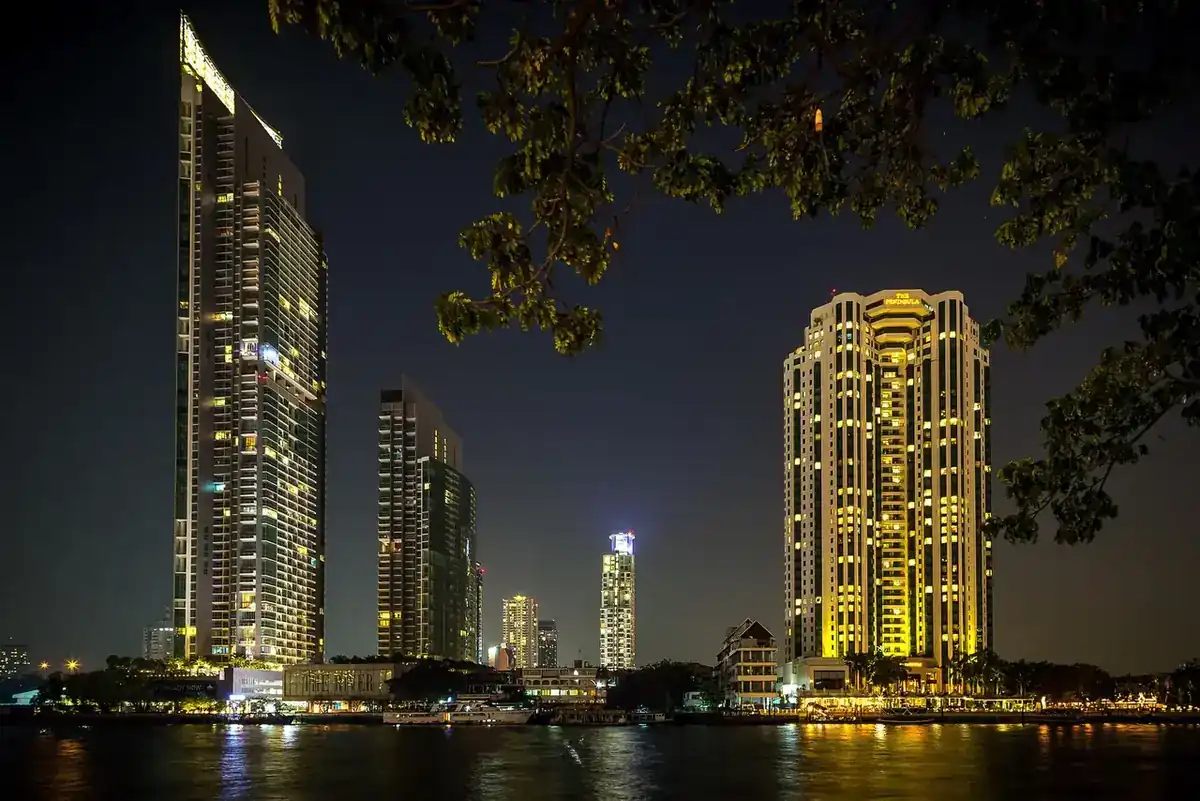
- Silom and Sathorn: riverside access via Saphan Taksin, business-district feel.
- Rattanakosin and Banglamphu (Khao San area): walking distance to the palace and temples, but no direct rail; budget-friendly.
- Riverside: longer ride from the city core, but boat access to the old town and views.
The full comparison is in where to stay in Bangkok.
Top things to do
- Visit the Grand Palace and Wat Phra Kaew, then Wat Pho; dress modestly (covered shoulders and knees).
- See Wat Arun from the river, then cross by ferry.
- Eat your way through Yaowarat in the evening.
- Ride the Chao Phraya by public express boat or take a dinner cruise. See the temple and cruise comparison.
- Browse Chatuchak Weekend Market, open mainly on Saturdays and Sundays (check current hours).
- Take a day trip to Ayutthaya, Kanchanaburi or a floating market. The day trip guide compares them.
- Add an evening at a rooftop bar or night market once you have your bearings.
For temple dress and behaviour, read Thailand temple etiquette.
Budget table
All figures are approximate per person, as of 2026; check current prices on operators' own pages.
| Style | Accommodation | Food and drink | Transport and sights | Daily total |
|---|---|---|---|---|
| Budget | THB 400-900 (hostel/guesthouse) | THB 300-600 | THB 200-500 | THB 1,000-2,000 |
| Mid-range | THB 1,500-3,500 (3-4 star) | THB 700-1,500 | THB 400-1,000 | THB 2,600-6,000 |
| Comfort | THB 4,000+ (upscale) | THB 1,500+ | THB 800+ | THB 6,500+ |
The Grand Palace complex is the biggest single ticket for most visitors; temples such as Wat Pho and Wat Arun charge far less. Street food and local restaurants keep daily food costs low. See Thailand budget per day for a national view.
All Bangkok guides
- Bangkok 3-day plan
- Where to stay in Bangkok
- Airport to city transfers
- Best time to visit Bangkok
- Temples and river cruises compared
- Day trips from Bangkok
- Attraction tickets
- Intercity transport
- Car rental and eSIM
Neighbouring hubs
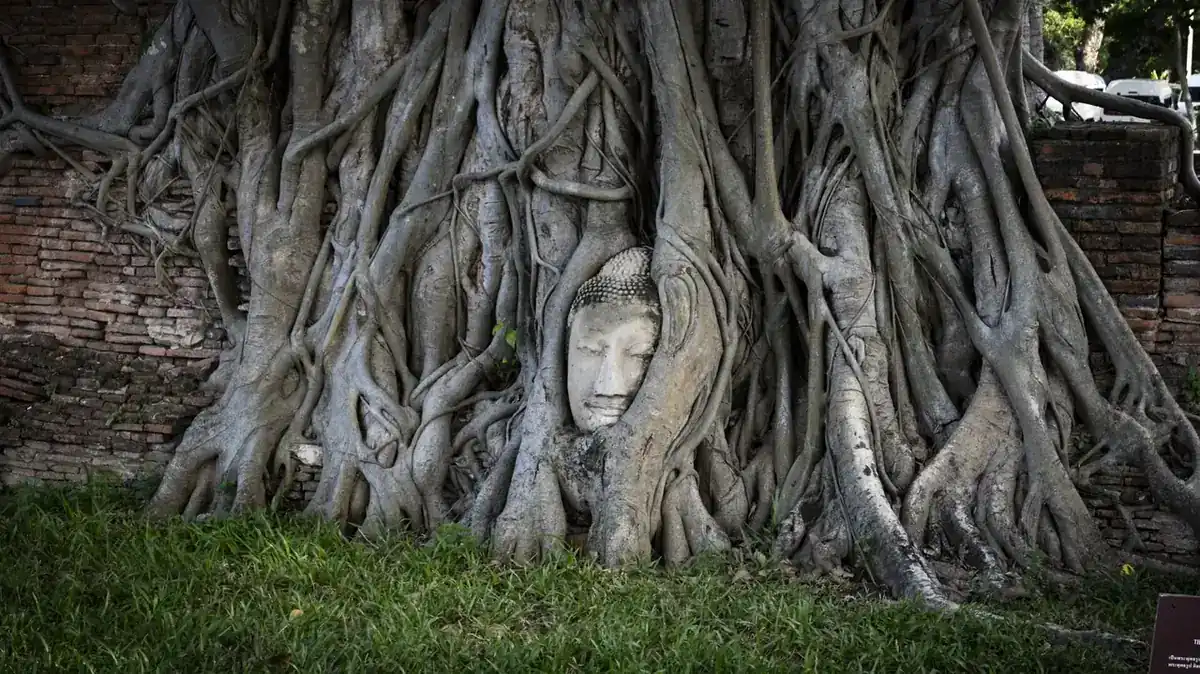
- Ayutthaya: the former capital, an easy day trip by train or minivan.
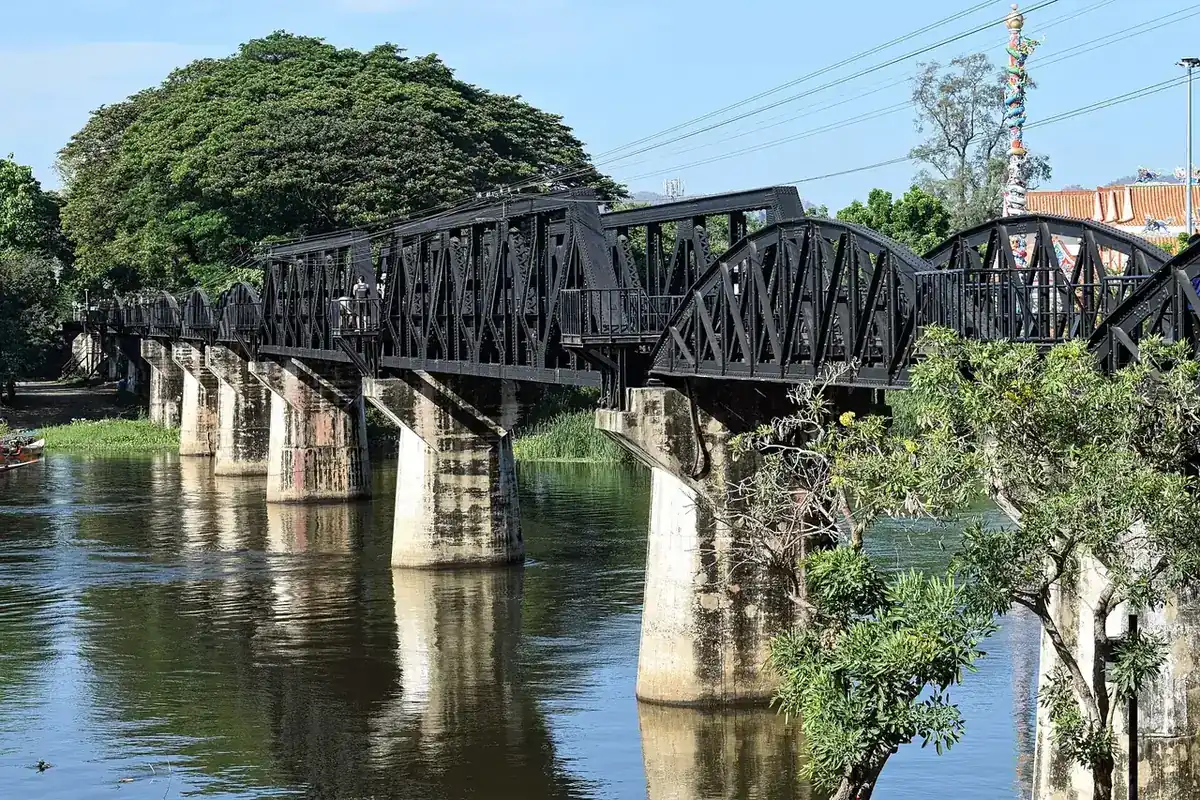
- Kanchanaburi: River Kwai bridge, Erawan National Park, WWII history.
- Pattaya: the closest beach resort city, about two hours by road.
- Thailand country hub: visas, budgets, regions, SIM cards and itineraries.
Safety basics
Bangkok is generally manageable for visitors, but use the usual city sense. Use metered taxis or ride-hailing apps rather than accepting unsolicited offers, be sceptical of strangers who say a major sight is "closed today", and keep valuables secure in crowds. Thailand's emergency numbers are 191 (police), 1669 (medical emergency) and 1155 (Tourist Police). Carry travel insurance that covers medical care. More detail is in Thailand safety, scams and health.
FAQ
How many days do you need in Bangkok?
Three full days covers the palace area, the river, Chinatown and a modern-city day. With four or five days you can add a day trip such as Ayutthaya or Kanchanaburi.
Is Bangkok walkable?
Individual neighbourhoods are walkable, but the city as a whole is not. Combine walking with the BTS, MRT and river boats, and expect heat and humidity.
Which airport should I fly into?
Suvarnabhumi (BKK) has the rail link into the city and most international services. Don Mueang (DMK) is used heavily by low-cost carriers. Choose by fare and onward plans, then check transfer options.
Do I need cash in Bangkok?
Cards are widely accepted in malls and hotels, but street food, markets, taxis and small shops often prefer cash. ATMs are common and usually charge a foreign-card fee.
Is tap water safe to drink?
Most visitors drink bottled or filtered water. Ice in restaurants is commonly made from treated water, but use your own judgement.
Official sources and further reading
Prices, schedules and entry rules change. Figures here are approximate as of 2026; always confirm on the official or operator page before you book. Spotted something out of date? Tell us.